On Adaptability and Resilience
Never have I felt more like a woman than now.
Don't Die
I recently read Bryan Johnson’s free e-book, Don’t Die, where he lays out his philosophy behind his Blueprint protocol.
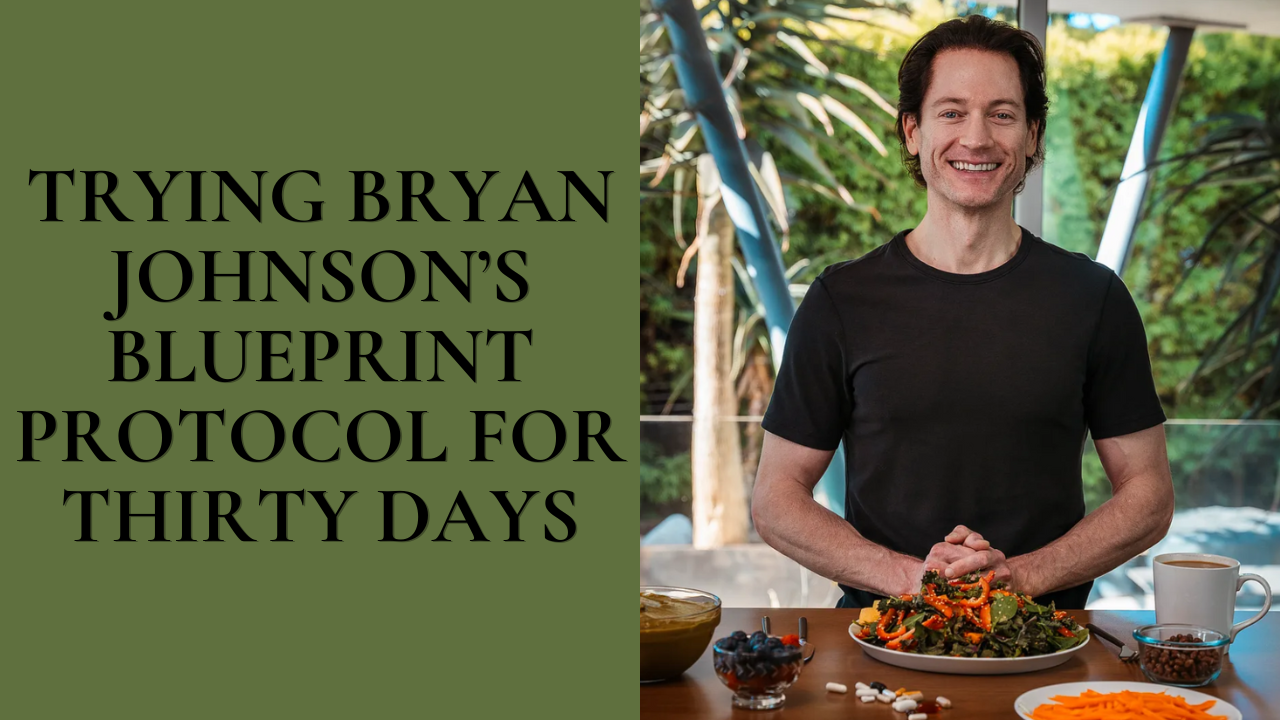
Trying Bryan Johnson’s Blueprint Protocol for Thirty Days
After reading some longevity books, such as Chip Walter’s Immortality, Inc., and Kris Verburgh’s The Longevity Code, I ran across Bryan Johnson’s YouTube channel and his “Blueprint Protocol” website.
Common Sayings Reevaluated
Objectivists don’t say hello, we “greet one another with a bow of the head with respect for each other’s individuality.”

Race and Gender Do Not Matter
People today are falling into the tribalist trap.
Victimization Risks, Murder, and How to Morally Judge an Individual
I have said before and will continue to say that the less you focus on reality, the more compounded your problems become.
“Nobody’s Perfect” and Other Garbage Idioms
Everyone always says “nobody’s perfect” to somehow arouse in you the feeling of freedom to experiment or try something uncomfortable. But I’m sick of that cliché. Why use the word “perfect” in such a way that is untouchable? Language, after all, is made by humans for humans. You are a human being—you have to learn and try things. That is perfection in my book.
On Judgment
This month’s topic is on judgment and its use. Judgment, in particular, is required when growing up in a culture that constantly preaches not to judge while choosing to uphold the activities of the lowest common denominator, namely school dances.
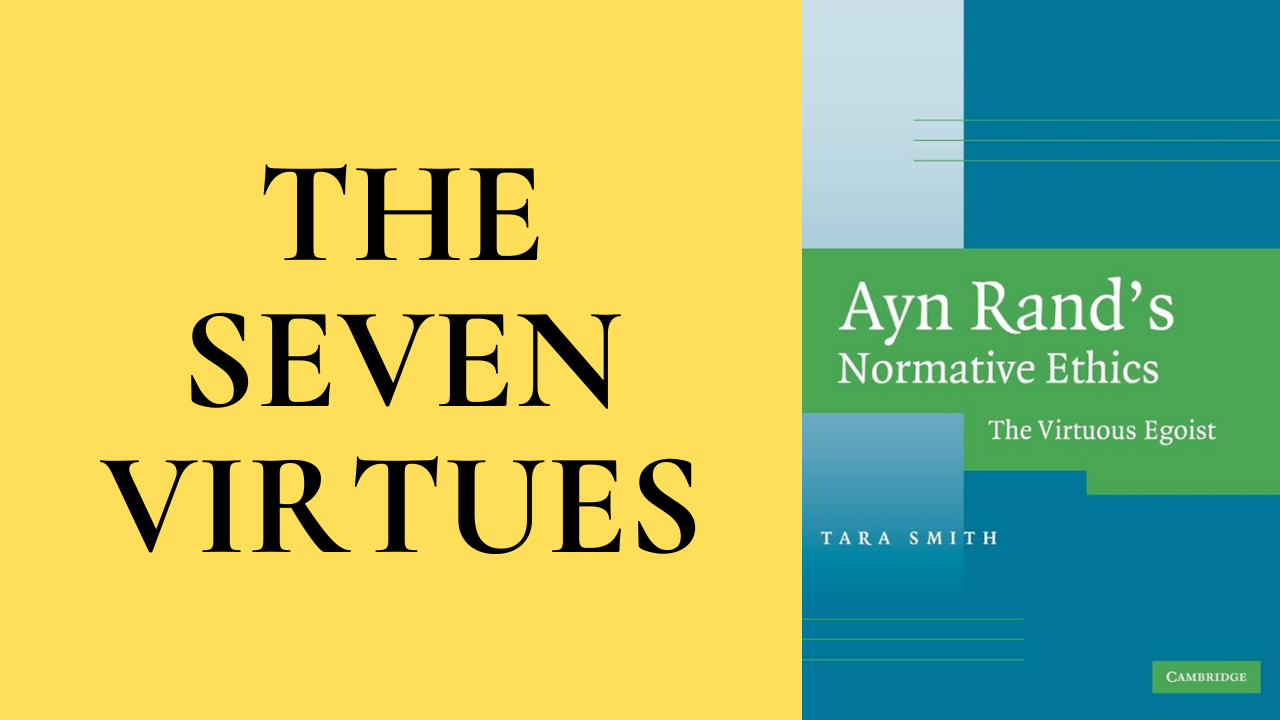
The Seven Virtues
This book has served as an enormous help to me in grappling with Ayn Rand’s views on forming a proper secular morality.
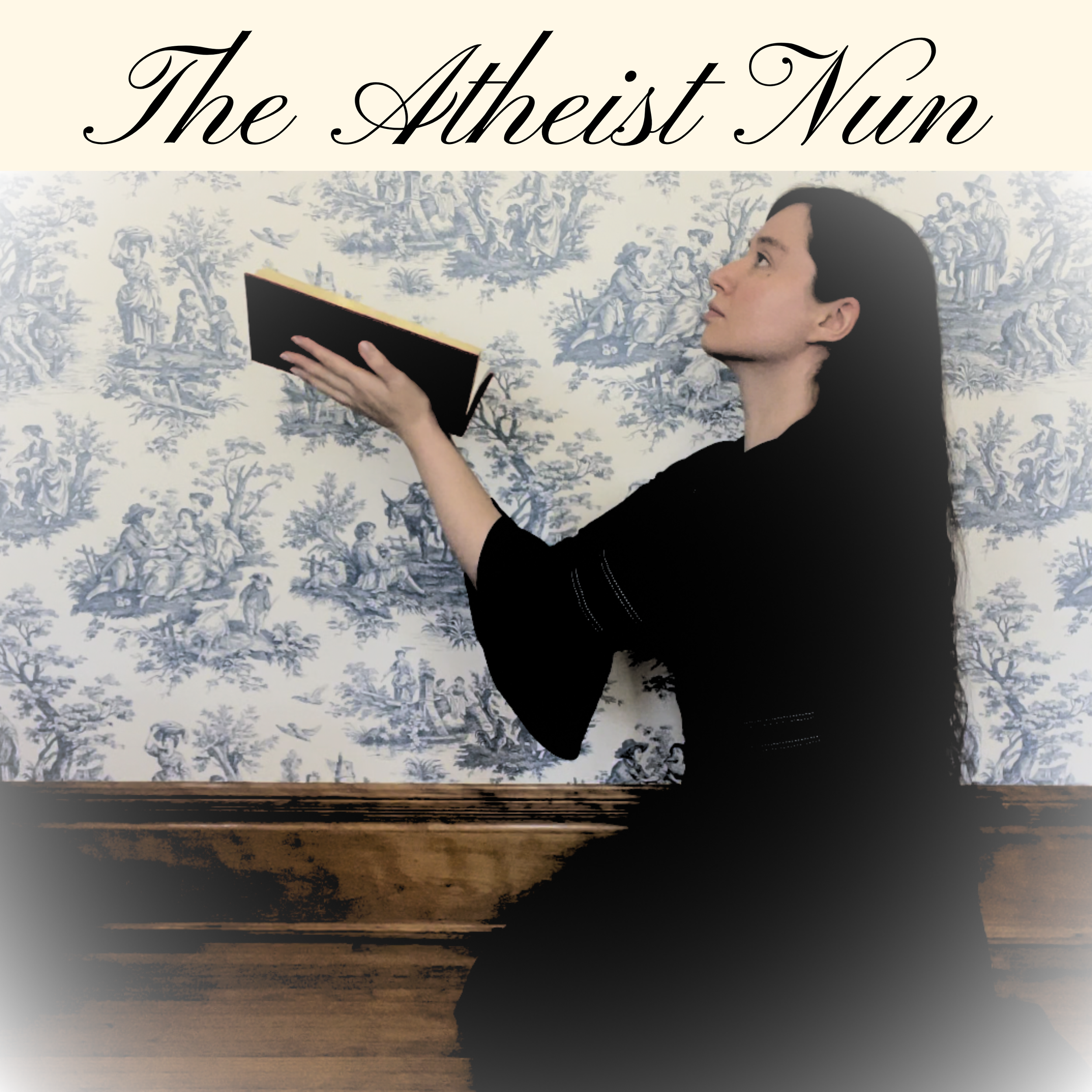
The Atheist Nun
So why share all of these etiquette videos? Well, this was my way of tiptoeing into the moral arena while gaining enough courage to discuss my personal beliefs more directly online.
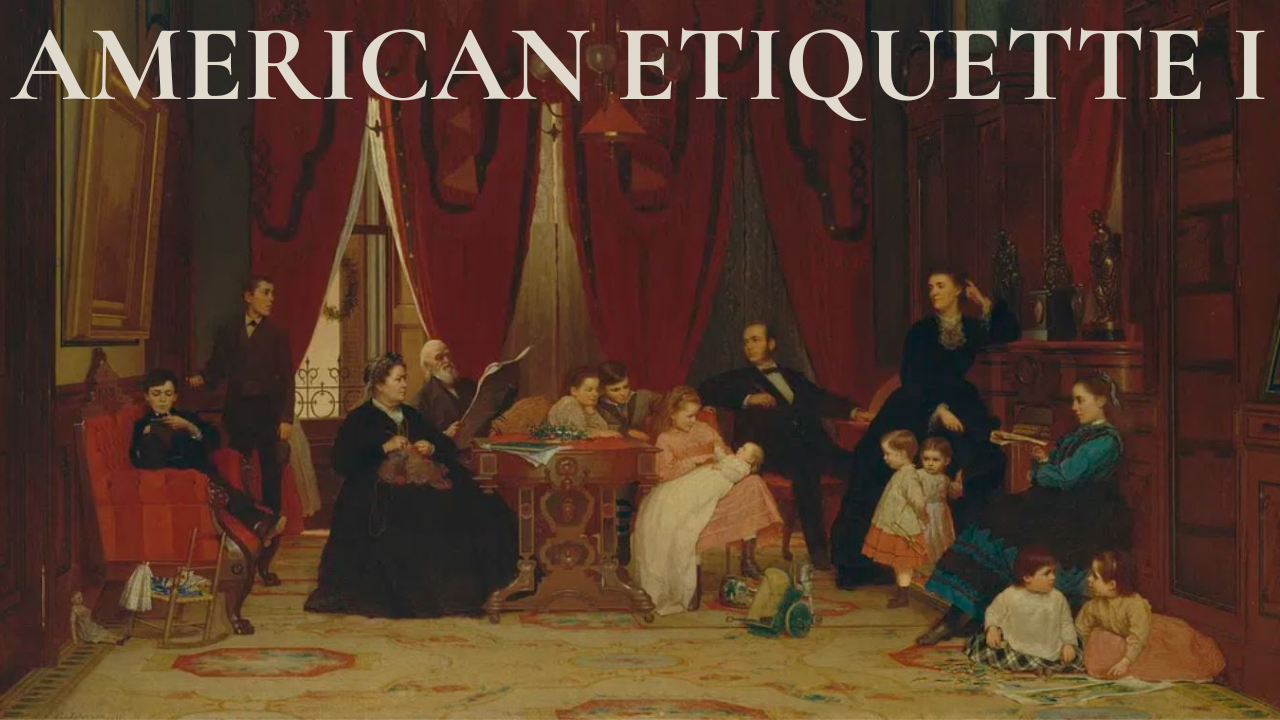
Excerpts from American Etiquette and Rules of Politeness by Walter R. Houghton, 1883
This one is an etiquette book written by Walter R. Houghton, a Victorian historian, in 1883 entitled American Etiquette and Rules of Politeness.
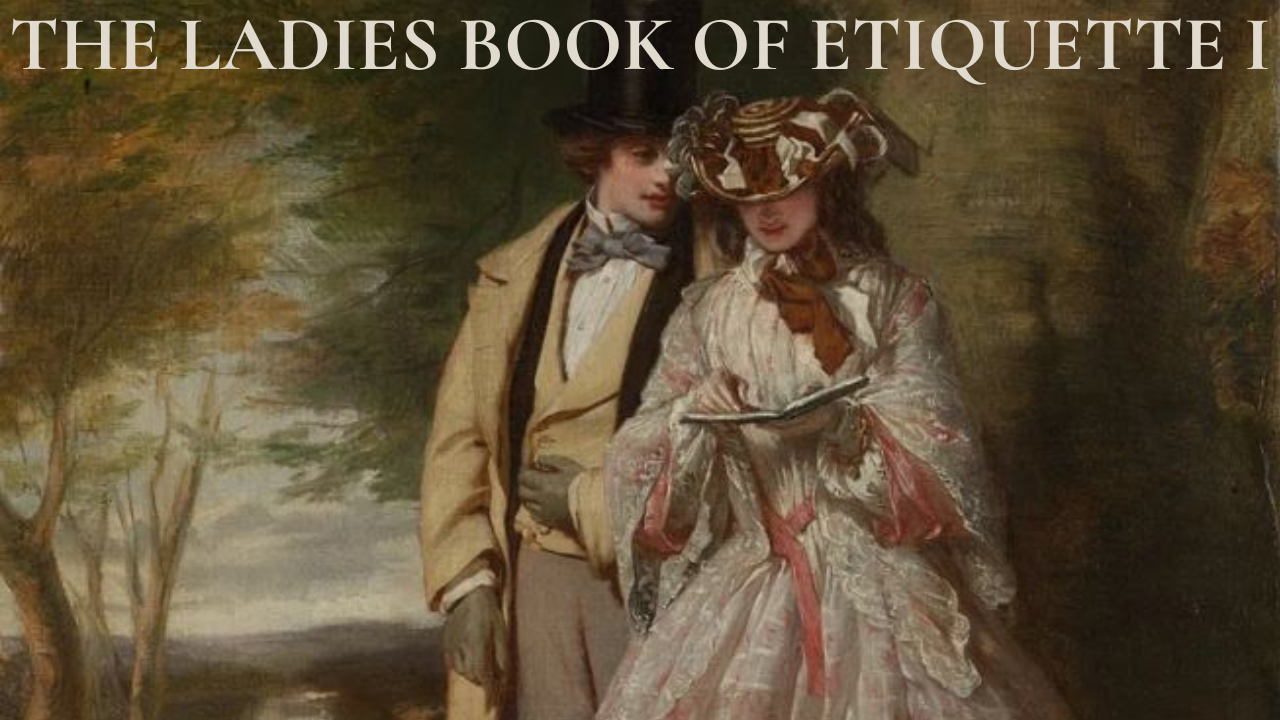
Excerpts from The Ladies Book of Etiquette, and Manual of Politeness by Florence Hartley, 1860
This one is an etiquette book for ladies written by Florence Hartley, a Victorian writer, in 1860 entitled The Ladies Book of Etiquette, and Manual of Politeness.
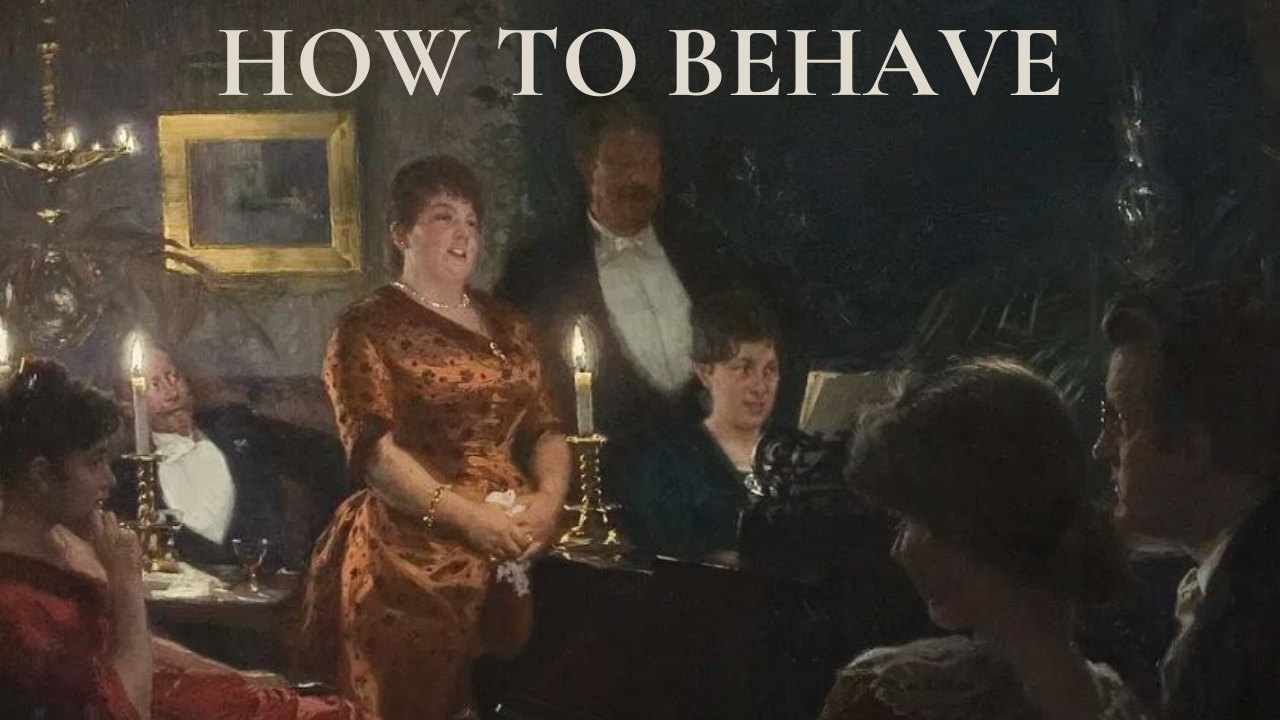
Excerpts from How to Behave: A Pocket Manual or Republican Etiquette, and Guide to Correct Personal Habits by Samuel R. Wells, 1887
This one is an etiquette book written by Samuel R. Wells, a Victorian phrenologist and author, in 1887 entitled How to Behave: A Pocket Manual or Republican Etiquette, and Guide to Correct Personal Habits.
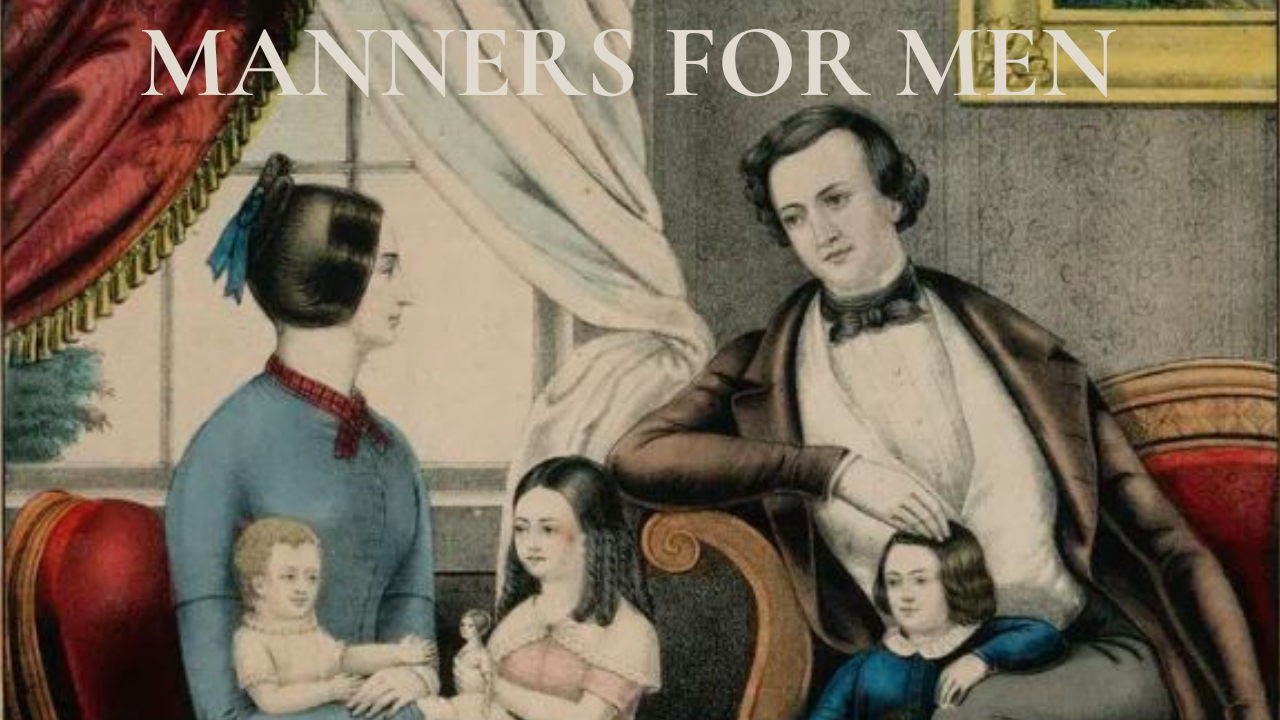
Excerpts from Manners for Men by Mrs. Humphry, 1897
This one is an etiquette book for gentlemen written by Mrs. Humphry, a late Victorian novelist, in 1897 entitled Manners for Men.
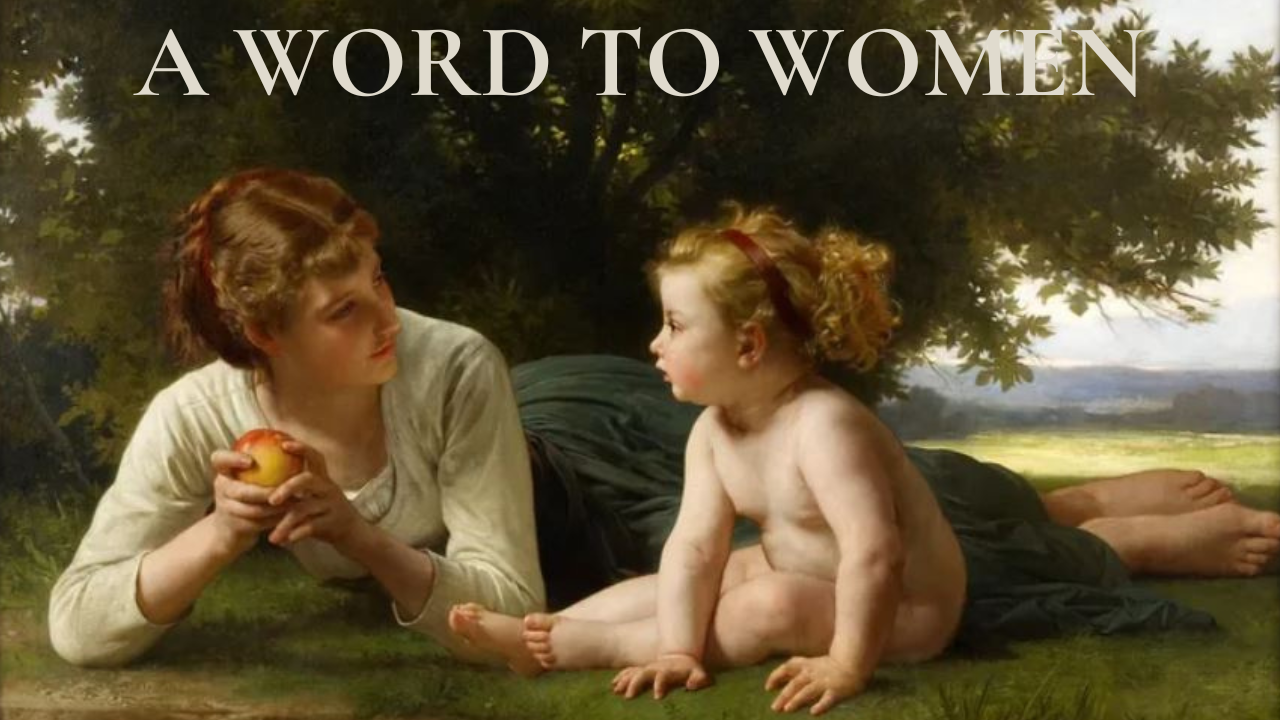
Excerpts from A Word to Women by Mrs. Humphry, 1898
I am learning to embrace my unique lifestyle by reading more about the Victorian era, a period in which I find most of my favorite art and some of the most amazing inventions.
Creating a Lifestyle Worth Living
I have always been self-driven and goal-directed without the “helpful push” of a boss. I have always been my own boss.
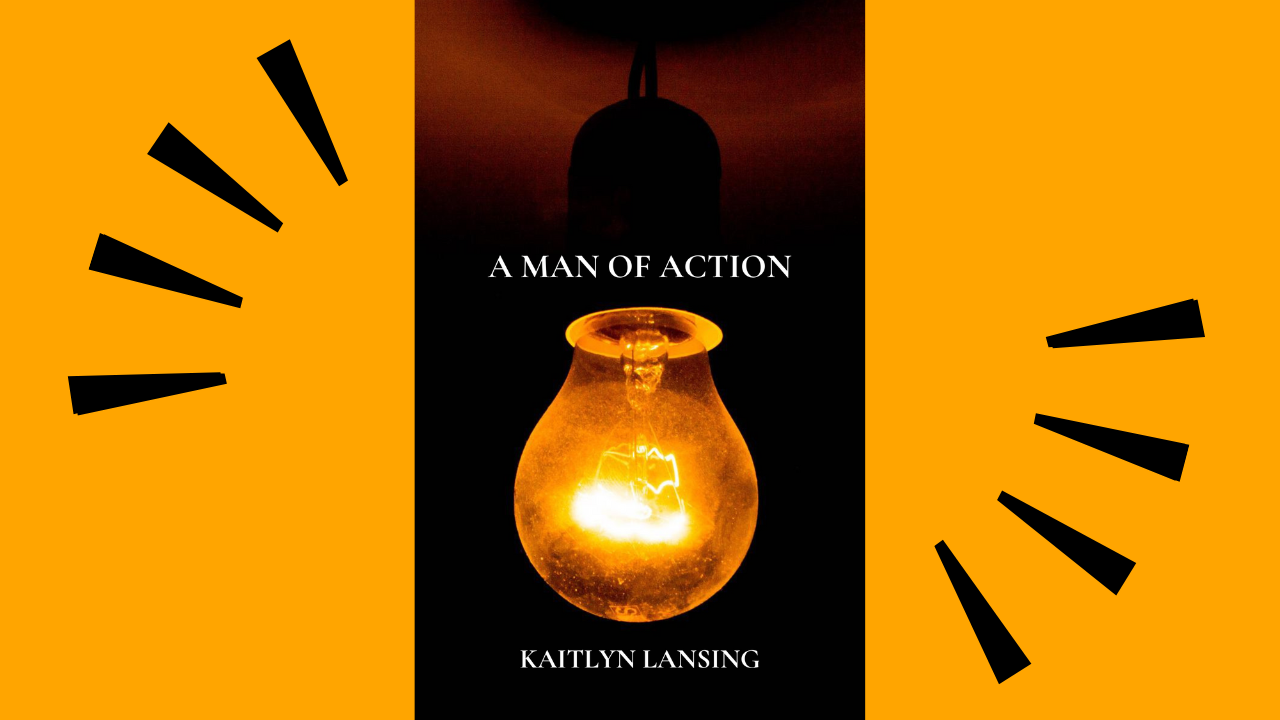
Why Did I Write A Man of Action?
I essentially wrote A Man of Action as a means of updating my “fictionalized scrapbook” and expressing my frustration with the law.
Why Did I Write A Man of Silence?
I essentially wrote A Man of Silence as a way to describe what daily gratitude looks like in slow living, while also coming (somewhat) to terms with my own divorce.
Why Did I Write The Dormant Age?
I essentially wrote The Dormant Age as a way to praise and commemorate my lifelong hobby as well as a critique on modern ballet and its destructive ways.
Why Did I Write The Paper Pusher?
I essentially wrote The Paper Pusher as a way to further connect with my mother’s memory and myself as a young adult.